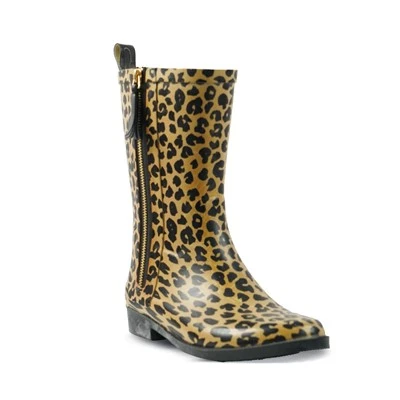
Hey there, fellow rain boot lovers! I'm [Your Name], and let's be real-if you're reading this, you've probably stood in a store (or scrolled through Amazon) staring at rows of rain boots, wondering: do these PVC wellies actually care about the planet? As a PVC wellies supplier who's been in this game for way too long, I get the confusion. Everyone's talking about sustainability lately, and PVC has this weird reputation-some say it's the worst, others swear it's actually a solid choice for certain uses. Today, I'm breaking this down like I would over a cup of coffee with a regular customer, no fancy jargon, just the straight facts.
First off, let's clear up what PVC even is. PVC stands for polyvinyl chloride, a type of plastic that's been around since the 1920s. It's super versatile-you can make it hard for pipes, soft for shower curtains, and flexible for rain boots. For wellies, it's perfect because it's 100% waterproof, durable, and cheap (compared to, say, natural rubber). But here's the thing: sustainability isn't black and white. It's all about the life cycle of the product, right? Let's go step by step.
The Good: PVC Wellies Are Built to Last
I know, I know-plastics are bad, but hear me out. When it comes to rain gear, durability is everything. A pair of PVC wellies that lasts 5 years is way better (for the planet) than a cheap pair of fabric rain boots that fall apart after one rainy season. Think about it: every time you buy a new pair, that's resources going into making something, and waste when you toss the old one. Our PVC wellies? They're designed to handle mud, puddles, cold, and rough terrain. We make styles like Kids Cartoon Dinosaur PVC Rain Boots for active little ones-they scratch, they jump in mud, and these boots keep going. Same with Shark Rain Boots for Kids-those reinforced toes mean no broken boots after a month of playground fun.
Durability also means less replacement, which cuts down on the overall carbon footprint. Studies from the European Commission found that durable PVC products have lower life-cycle emissions than shorter-lived alternatives. For gardeners, our Waterproof Garden Shoes For Women are perfect-they slip on over your regular shoes, stand up to wet grass and soil, so you don't need a new pair every spring. And let's not forget about our PVC Booties for toddlers-small, cute, and tough enough for little feet that don't know when to stop running.
Another plus: PVC is recyclable? Wait, not exactly, but it is recyclable in specialized programs. A lot of people don't know that many local recycling centers don't take plastic rain boots because they're a mix of materials (PVC plus fabrics for linings, etc.), but there are dedicated plastic recycling facilities that process PVC into new products-like park benches, flooring, even new rain boots. Some brands (including us, more on that later) are starting to use recycled PVC in their manufacturing. That's a big win for keeping plastic out of landfills.
The Bad: The Production and End-of-Life Headaches
Okay, so I can't sugarcoat it-PVC has a dark side. When you make PVC, you use chlorine (from salt) and ethylene (from natural gas or oil). The production process can release toxic chemicals, like dioxins, especially if it's not done properly. Dioxins are bad for the environment and human health-they can get into water and air, and build up in animals. That's a valid concern, and it's why the industry has been working to clean up production. Most modern PVC facilities (especially in places with strict regulations, like the EU and US) have cut dioxin emissions by over 90% since the 1990s. But it's still a problem in some parts of the world where regulations are loose.
Then there's end-of-life. Even with recycling, most PVC wellies still end up in landfills. Plastic doesn't biodegrade-it breaks down into microplastics over hundreds of years. Those microplastics can get into soil, water, and even our food. For kids' rain boots, like our Pink Children's Rain Boots With Handles-cute, but if a pair gets torn and you toss it, those small pieces are easy to lose. That's why we've been pushing for better recycling infrastructure in our area.
Another thing: PVC is not biodegradable, obviously. If you're used to natural rubber wellies, which are made from tree sap and do biodegrade, that's a big difference. But natural rubber has its own issues-rubber plantations can lead to deforestation if they're not managed sustainably, and rubber is more expensive, so it's not accessible for everyone. So it's a trade-off, not a clear "PVC bad, natural rubber good."
What We're Doing Differently (As a Supplier)
Look, I'm not here to defend every PVC product. But as someone who makes and sells these boots, I can tell you that the industry is changing. A few years ago, we only sold basic black wellies with no extra features. Now? We're using 30% recycled PVC in all our styles-including the Kids Cartoon Dinosaur PVC Rain Boots and Shark Rain Boots for Kids. We source our PVC from manufacturers that follow the EU's REACH regulations, which ban toxic chemicals like lead and phthalates (stuff that used to be in old rain boots and was bad for kids). So our boots are safe for little ones-no weird smells, no toxic materials seeping into their socks.
We also have a take-back program. If a customer's PVC wellies are worn out, they can send them back to us, and we'll send them to a specialized recycling facility that turns them into new products. It's not perfect, but it's way better than letting them sit in a landfill. For gardeners who love our Waterproof Garden Shoes For Women, we also offer a repair service-if the sole comes loose or a seam splits, we can fix it instead of making you buy a new pair. That cuts down on waste and saves you money.
Another point: PVC wellies are lightweight compared to natural rubber. For kids, that means they're easier to run in, so they're more likely to actually wear them (instead of leaving them in the closet). If a kid's rain boot is too heavy, they'll refuse to wear it, and then you'll buy a new pair every few months. That's way worse for the planet than a pair of PVC boots that get used until they can't be used anymore. I've seen so many parents tell me their kids love our Pink Children's Rain Boots With Handles because the handles make it easy to pull them on, and the cartoon design makes rain time fun. That means more use, less waste.
Comparing PVC to Other Options
Let's do a quick side-by-side to make this make sense. If you're choosing between PVC, natural rubber, and even neoprene wellies:
- Natural Rubber: Durable, biodegradable if properly composted, but expensive, can cause deforestation, and some brands use harmful pesticides on rubber trees. Also, it's heavier, so less comfortable for active kids.
- Neoprene: Super flexible, great for cold weather, but it's a type of synthetic rubber (petroleum-based), so not biodegradable, and hard to recycle.
- PVC: Cheap, lightweight, durable, recyclable in specialized programs, and with modern regulations, less toxic than old PVC. It's not perfect, but it's a solid middle ground for most people.
For example, if you're a gardener who needs boots to get muddy, you don't want to drop $150 on natural rubber wellies that might get ruined in just a few seasons. Our Waterproof Garden Shoes For Women are under $50, last 3-4 years, and are easy to clean. That's a better choice for your wallet and the planet than cheap fabric boots that fall apart in one season.
For parents of little kids: Kids outgrow rain boots every 6 months, right? They grow fast, so you don't want to spend a lot on a pair that's too small in time for the next rainstorm. Our PVC Booties and Kids Cartoon Dinosaur PVC Rain Boots are affordable, durable, and come in fun designs that kids actually want to wear. That means you're not throwing away money, and you're not adding extra waste because the boots get used.
The Bottom Line
So, are PVC wellies eco-friendly? The honest answer is: it depends. They're not the perfect green product-no plastic is. But if you choose high-quality, durable PVC boots (like the ones we make), use them until they can't be used anymore, and recycle them properly when you're done, they're a way better choice than cheap, disposable rain gear. They're also more accessible for a lot of people than natural rubber, which is great because accessibility matters for sustainability-if someone can't afford a sustainable product, they're going to buy what's cheap, which often leads to more waste.
We're not stopping here, either. We're working on a new line of 100% recycled PVC wellies, and we're partnering with local schools to teach kids about recycling their old rain boots. We want to make sure that when people buy PVC wellies from us, they're not just getting a great product-they're making a choice that's better for the planet.
If you're a retailer looking to stock rain boots, or a customer who wants to learn more, we'd love to chat. Whether you're interested in our Shark Rain Boots for Kids for your store, or our Pink Children's Rain Boots With Handles for your little one, we can help you find the right pair. Just reach out to us to discuss your needs.


References
- European Commission. (2021). Life Cycle Assessment of PVC Products. Brussels: European Chemical Industry Council.
- United States Environmental Protection Agency. (2022). Plastic Recycling: PVC and Other Resins. Washington, DC: EPA.
- International Union for Conservation of Nature. (2020). Sustainable Rubber Production and Deforestation Risks. Gland, Switzerland: IUCN.
- European Chemical Agency. (2023). REACH Regulation: PVC Safety Standards. Helsinki: ECHA.
- Rainwear Industry Sustainability Report. (2024). Global Rain Gear Association.
Disclaimer: This post reflects personal experience as a PVC wellies supplier and should not be taken as professional environmental advice. Always check local recycling guidelines for plastic products.