


Hey everyone, it's Masha here from HAOSHI SHOES FACTORY – the team that's been making rain boots for over a decade, and let's be real, we've seen it all. There's nothing worse than pulling out your favorite pair of wellies after a week of rain, only to find them caked in mud, streaked with leaves, or smelling like the playground's forgotten snack bin. I've gotten so many DMs lately asking, "How do I actually clean my rain boots without ruining them?" So today, I'm breaking down the step-by-step guide we share with every customer, plus a few pro tips we've picked up from years of shipping hundreds of pairs (yes, even the wild ones like our Children's Christmas Red Rain Boots that get dragged through slush in December!).
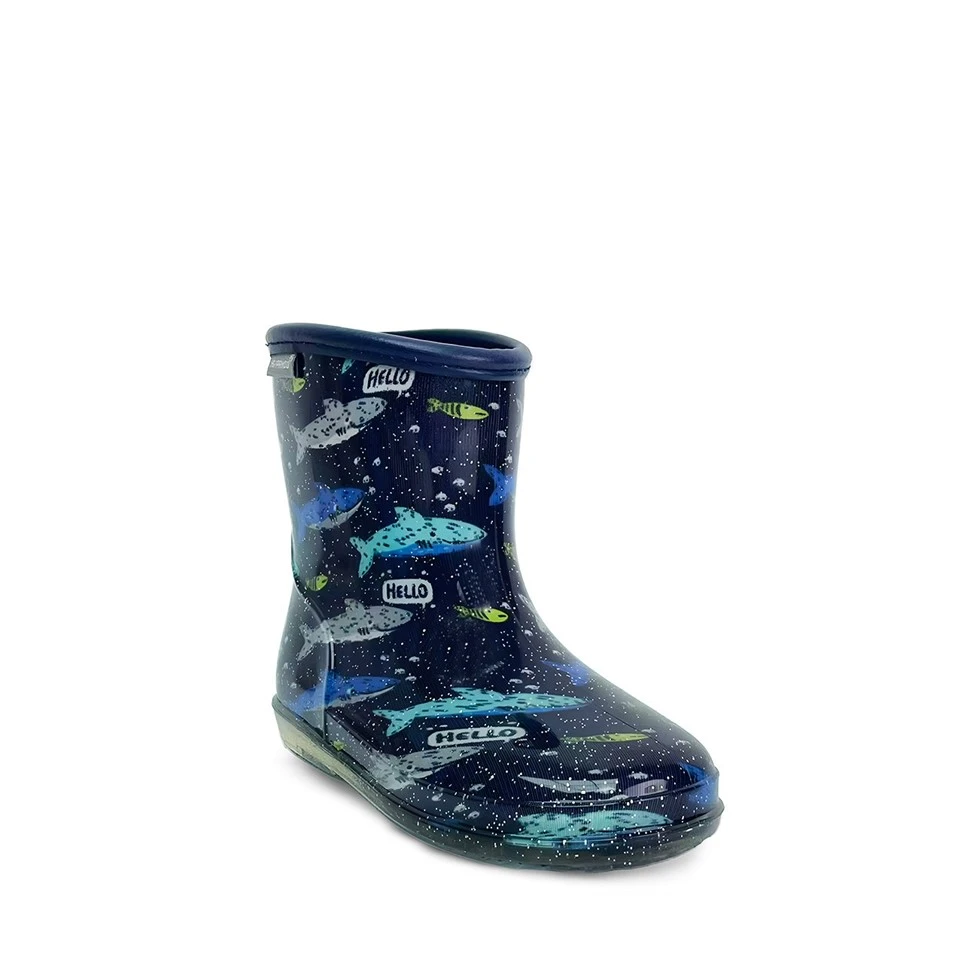
First off, let's get one thing straight: not all rain boots are made the same. We make everything from tough rubber wellies to lightweight PVC pairs, and cleaning methods change a little depending on the material. If you've got a pair of our Dinosaur Wellies for Boys (the ones with the scaly treads that trap so much dirt), or our Shark Print Waterproof PVC Boots that get tossed in backpacks, you'll want to adjust your game plan. And for those neutral go-tos? Our Solid Color Wellies that match every jacket – they're pretty low-maintenance, but still need a little TLC to keep looking fresh.
Let's start with the basics you'll need. No fancy tools, I promise. Grab a bucket, warm water, a soft-bristled brush (an old toothbrush works for tiny crevices!), a gentle dish soap (not laundry detergent – that's too harsh for rubber/PVC), a microfiber cloth, and a towel. If your boots smell funky (we've all been there – kids' boots after a soccer practice in the rain?), you'll want some baking soda and white vinegar too. That's it – no fancy chemicals required, which is better for both your boots and the planet.
First step: Take off the gunk right away – don't let it dry. This is the #1 mistake people make. If you leave mud, leaves, or salt stains on your boots, they're way harder to scrub off later, and can even break down the material over time. As soon as you're back inside (or, if you're a parent, before your kid tracks mud on the carpet), grab the boots and knock them together over a trash can or outside to get rid of the big chunks. For any caked-on dirt in the treads, use a old screwdriver or the corner of your brush to pick it out – those tiny spaces in boots like our Kids Dinosaur Waterproof Rain Boots love holding onto gunk, so don't skip this part.
Next, the deep clean. Fill your bucket with warm (not hot – hot water can warp rubber!) water and a squirt of dish soap. Mix it up until it's sudsy. Now, dip your brush into the soapy water and start scrubbing. For the outside of your boots, work in circular motions – don't press too hard, you don't want to scratch the material. For stained areas, like salt streaks (super common in winter when roads are salted), let the soapy water sit on the stain for 5-10 minutes before scrubbing – that breaks down the salt without damaging the boot. If you've got scuffs on PVC boots (like our shark print ones – the prints can scratch if you drag them on concrete), use a little extra dish soap and gentle scrub, it usually lifts scuffs right up.
Now the inside – this is where the smell happens. If your boots smell like wet dog or forgotten gym socks, don't panic. First, stuff them with crumpled up paper towels or old newspapers (they absorb moisture – trust me, this is a trick we use at the warehouse when new boots come in a little damp!). Let them sit for a few hours, or overnight if they're really wet. If there's still an odor, mix equal parts baking soda and cornstarch (cornstarch is better than just baking soda because it's less powdery and easier to shake out later) and sprinkle a little inside each boot. Let it sit for 24 hours (pro tip: leave them in a cool, dry place, not near a heater – heat breaks down rubber!). Then, just shake out the powder – it pulls all the yucky smells and moisture right out. For extra tough odors, you can also spray a tiny bit of white vinegar mixed with water inside, then let it air dry – just make sure it's fully dry before wearing again, vinegar smell fades fast.
Drying is the most important step, and the one most people mess up. Never put your rain boots in the dryer, never set them near a radiator or space heater – extreme heat makes rubber crack and PVC warp, and that's a quick way to ruin a $50 pair of boots. The best way? Let them air dry at room temperature, away from direct sunlight (sunlight can also fade prints – we've had customers email us saying their favorite dinosaur boots lost their scaly shine because they left them outside in the sun for a week, oops). To help them keep their shape while drying, stick a pair of old wooden spoons or boot trees inside (you can even make your own with rolled up newspaper if you don't have boot trees). This stops the boots from collapsing in the middle, so they fit just right next time you wear them.
Wait, what about really tough stains? Like grass stains on your kids' Christmas red boots, or oil stains from a playground? For grass stains, a little dish soap and scrubbing usually works, but if it's stuck, mix 1 part hydrogen peroxide with 2 parts water (only for white boots – never use peroxide on colored or printed boots, it will bleach them!). Dab the stain with that mixture, let it sit for 10 minutes, then scrub gently. For oil stains, sprinkle a little baking soda on the stain right away, let it sit for an hour, then scrub with soapy water – it absorbs the oil without messing up the material.
Now, let's talk about maintenance to keep your boots lasting as long as possible. We have customers who've had their pairs for 5+ years, and the secret is not just cleaning them, but caring for them between wears. After every use, even a quick walk in the rain, wipe off any dust or dirt with a damp cloth – it takes 30 seconds, and prevents that gunk from building up. For boots with prints (like our shark or dinosaur pairs), avoid dragging them on rough concrete or asphalt – that scratches the print and can wear down the material. And if you store them for a long time (like over summer when it's not raining), make sure they're 100% dry first, then stuff them with newspaper to keep their shape, and store them in a cool, dry closet, not in a plastic bag (plastic traps moisture, which causes mold).
I should also mention a few material-specific tips, because rubber and PVC are different. For all-natural rubber boots (some of our classic pairs are made with this), you can use a little vinyl conditioner once or twice a year to keep the rubber from cracking. Just apply a thin layer with a cloth, wipe off the excess, and it keeps the rubber flexible. For PVC boots, you don't need conditioner, but avoid exposing them to very hot temperatures (like leaving them in a hot car) because PVC can get sticky or melty.
We've tested all these tips on our own inventory, so we know they work. Last month, we had a return from a customer who said her kid's dinosaur boots were so muddy she thought they were ruined, and after following these steps, they looked brand new and still fit perfectly. That's the stuff we love seeing – customers getting the most out of their boots, because we work hard to make them durable and long-lasting.
Now, a quick note for anyone who's a retailer or boutique looking to stock our rain boots – we're a small, family-owned supplier, and we work with shops of all sizes. Whether you want to add our Children's Christmas Red Rain Boots for the holiday season, our tough wellies for kids who love playing outside, or our versatile solid color pairs that sell year-round, we can work with you. If you're interested in bulk pricing, minimum orders, or learning about our wholesale program, reach out to our team for a consultation – we'd love to partner with you. Don't worry, we're not super formal, we'll chat like fellow shop owners who know how important good products are for your customers.
Before I wrap up, let's do a quick recap so you don't forget anything:
- Knock off big gunk right away, don't let it dry.
- Use warm, soapy water (gentle dish soap) and a soft brush to scrub.
- For smells, use baking soda or vinegar – avoid heat to dry.
- Air dry at room temp, away from sun and heaters, use newspaper to keep shape.
- For tough stains, use peroxide (only white boots) or baking soda for oil.
That's it! No fancy stuff, just simple steps that will keep your rain boots looking good and working for years. I get it, cleaning boots is the last thing you want to do after a long day, but spending 10 minutes on it now saves you from buying new boots every year, and saves you money. Plus, your kids will thank you when their favorite dinosaur boots don't smell like a zoo anymore.
If you have any questions about cleaning specific pairs, or if you're a retailer looking to stock our boots, don't hesitate to reach out. We're always here to help, whether it's troubleshooting a stained boot or talking about wholesale options. Happy (not messy) rain boot season, everyone!

References:
- Rubber Care: The Rubber Manufacturers Association.
- PVC Boot Maintenance: Vinyl Institute.
- Odor Removal Tips: International Fabric Care Association.


