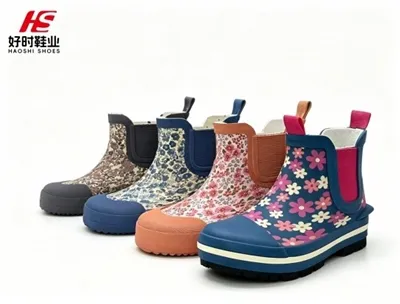
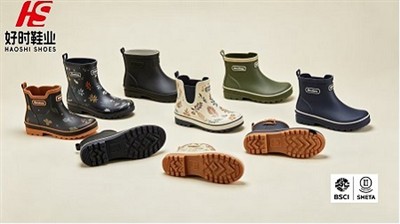
Against the backdrop of consumption upgrading and diversified lifestyles, the application prospects of rain shoes are undergoing a profound transformation from traditional seasonal protective footwear to multi-scenario, all-round functional shoes, continuously unleashing the industry's potential. As a branch of footwear integrating water resistance and practicality, rain shoes are constructing a broader market landscape through material innovation, functional optimization, and design iteration.
Firstly, scenario expansion will serve as the core driving force.
Previously, rain shoes were mainly used for daily commuting and outdoor activities on rainy days. Nowadays, with the rise of outdoor sports such as hiking, camping, and stream trekking, as well as the popularity of urban agricultural experiences and wetland park tours, rain shoes with anti-slip, wear-resistant, and water-proof properties can cope with complex environments such as muddy trails and shallow streams, breaking the limitations of single rainy-day use. Lightweight designs, foldable structures, and portable storage functions enable them to be easily carried in backpacks for emergency use, while fashionable appearances make them competitive in casual outings and theme activities, advancing the "multi-scenario applicable" concept.
Secondly, demands for comfort and versatility are driving functional upgrades.
Modern consumers are increasingly focusing on the comprehensive experience of footwear, not just water resistance. This has led to the widespread adoption of technologies such as breathable lining, moisture-wicking insoles, and shock-absorbing midsoles to improve the wearing experience during long-term use. The application of lightweight, flexible materials combined with ergonomic shoe last designs reduces foot constraint and fatigue, making rain shoes suitable for a wider range of age groups and activity intensities. In particular, it promotes the expansion of niche markets such as children's rain shoes with anti-collision toe caps and professional rain shoes for outdoor workers.
Furthermore, sustainability and aesthetic personalization provide dual impetus for innovation.
The utilization of environmentally friendly materials such as recycled rubber, biodegradable plastic, and natural cotton linings is on the rise, balancing environmental responsibility with product durability. In terms of design, there is a growing trend towards cross-style integration and personalized customization. Elements such as modular color matching, detachable decorative accessories, and collaborative designs with IP images enhance the fashionable expression of rain shoes, satisfying the younger generation's pursuit of trendiness and individualization.
Overall, the rain shoe industry will achieve sustained growth at the intersection of diversified application scenarios, multi-functional upgrades, and green innovation. The in-depth integration of technological progress and user demand insights will pave a more stable and dynamic development path for the industry, enabling rain shoes to evolve from a "necessary seasonal item" to an "integrated functional footwear" that fits diverse lifestyles.