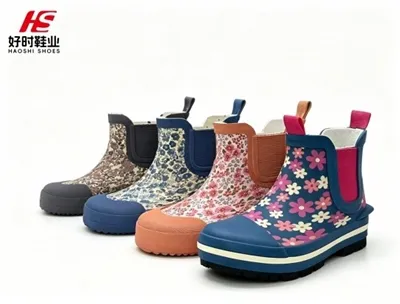
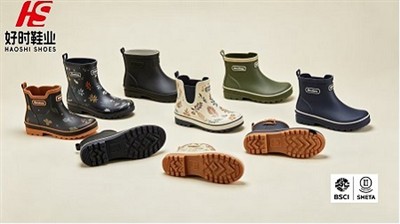
Rain boots hold a unique position among footwear products due to their comprehensive advantages in waterproofing, environmental adaptability, durability, and ease of use. Designed specifically for wet, muddy, and watery environments, rain boots not only effectively block the intrusion of external liquids and dirt, but also provide stable and safe protection for users in various scenarios through optimized materials and structures, demonstrating significant practical value and wide applicability.
The primary advantage lies in their superior waterproofing and barrier properties. Rain boots generally use waterproof materials such as high-density rubber, PVC, or thermoplastic polyurethane (TPU). These materials have extremely low water absorption rates and excellent impermeability, forming a reliable protective barrier in stagnant water, mud, and damp environments. The high-top or mid-top design, combined with a tight-fitting system, seals areas prone to water seepage, such as the ankle and boot opening. Some products also utilize a seam sealing process to eliminate the risk of leakage at seams, keeping feet dry even after deep immersion or high-pressure water jets. This waterproof advantage not only enhances user comfort but also directly prevents problems such as hypothermia and skin inflammation caused by prolonged foot immersion.
Secondly, rain boots offer significant advantages in environmental adaptability and durability. Designed for complex environments such as agriculture, fisheries, municipal engineering, and outdoor work, rain boots often feature thickened, non-slip soles and puncture-resistant structures. Deep treads or raised blocks significantly improve traction on wet, soft surfaces, reducing the risk of slips and falls, while also protecting against impacts from hard objects and sharp shells. Modified materials resistant to oil, acids, and alkalis can withstand environments with chemicals, extending their lifespan. In cold conditions, cold-resistant rubber or TPU materials remain flexible and do not easily harden or crack, ensuring reliable protection in extreme climates.
Thirdly, rain boots offer outstanding convenience. Some models feature a slip-on design, allowing them to be worn directly over everyday shoes without needing to change footwear to cope with sudden rainfall, greatly improving responsiveness for urban commutes and short outings. The foldable and lightweight design makes them easy to carry and store, especially suitable for outdoor hiking, camping, and other scenarios requiring flexibility in changing environments. Meanwhile, modern rain boots incorporate fashionable elements in color schemes, silhouettes, and details, combining protective functionality with everyday aesthetics, expanding their acceptance and frequency of use in urban life.
Fourth, rain boots also offer advantages in safety and health protection. Some products reduce the risk of electric shock with insulated soles, and reflective strips on the boot enhance visibility in low-light conditions, improving safety during work and nighttime travel. Antibacterial and odor-resistant linings inhibit bacterial growth, reducing odors and discomfort from prolonged wear and maintaining foot hygiene. For special groups such as children and the elderly, the well-fitting design and warm lining of rain boots balance protection and comfort, reflecting humanistic care.
Finally, the cost and maintenance advantages of rain boots cannot be ignored. Synthetic materials such as PVC are easy to mold and affordable, suitable for large-scale promotion; while rubber products are slightly more expensive, their durability is outstanding, offering excellent long-term cost-effectiveness. Routine maintenance is simple; generally, rinsing with water and air drying are sufficient. Avoiding high-temperature baking and direct sunlight helps maintain stable performance.
In summary, the advantages of rain boots lie in their reliable waterproofing, strong adaptability to complex environments, flexibility and convenience in various scenarios, comprehensive safety protection, and economical maintenance costs. These advantages make them irreplaceable in agricultural production, municipal operations, fishing, outdoor exploration, and urban commuting, becoming an efficient, practical, and reliable protective gear for coping with wet and harsh ground environments.