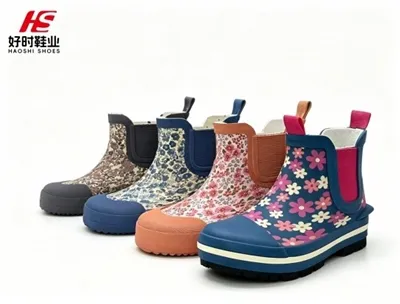
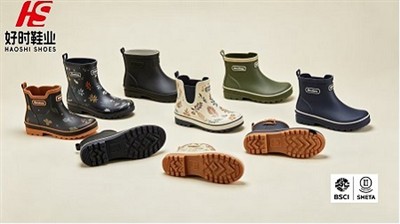
As a type of weather-resistant footwear, rain shoes originated in the early stages of human civilization, carrying rich cultural connotations and practical wisdom. Archaeological findings and historical records prove that as early as thousands of years ago in regions with abundant rainfall, primitive footwear similar to rain shoes emerged, mostly handcrafted from animal hides, waterproof plant fibers, bark cloth or lacquered wood. Their core function was to isolate moisture, mud and cold from the ground, perfectly adapting to the living needs of people in rainy, humid or water-rich environments.
In ancient East Asia, rain-resistant footwear was deeply integrated with daily life and production. For instance, in ancient China, oilcloth shoes, wooden rain clogs and straw rain boots were widely used from the imperial era to the Ming and Qing dynasties, serving farmers, travelers and urban residents to cope with rainy days and wet roads, combining practicality with folk characteristics. Traditional waterproof straw sandals and wooden rain shoes in Japan and Southeast Asia were tailored for monsoon climates, showing unique regional craftsmanship. In medieval Europe, leather waterproof boots and oil-treated footwear became essential for peasants, travelers and workers, resisting rain and mud in farmland, forests and muddy roads. In coastal and riverine civilizations, early rain shoes also bore the mark of fishing, boating and water-related living habits.
In modern times, the boom of industrial manufacturing revolutionized the materials and production of rain shoes. The wide application of rubber vulcanization technology completely upgraded the waterproof, anti-slip and durable performance of rain shoes, while the emergence of PVC, EVA and synthetic rubber materials realized mass production and lightweight design, transforming rain shoes from regional handcrafted gear into a universal daily necessity worldwide. Since the 20th century, with the development of urbanization and diversified lifestyles, the positioning of rain shoes has expanded from single waterproof protection to multi-functional integration of comfort, fashion and versatility, giving birth to diverse styles for outdoor, commuting, children and professional scenarios.
Throughout history, rain shoes are not only a reflection of industrial progress and material innovation, but also a crystallization of wisdom from different civilizations adapting to rainy and humid environments. Evolving from ancient handmade protective gear to modern multi-scenario functional footwear, they witness humanity's constant pursuit of practicality, comfort and quality of life, and lay a solid cultural and innovative foundation for the contemporary rain shoe industry.